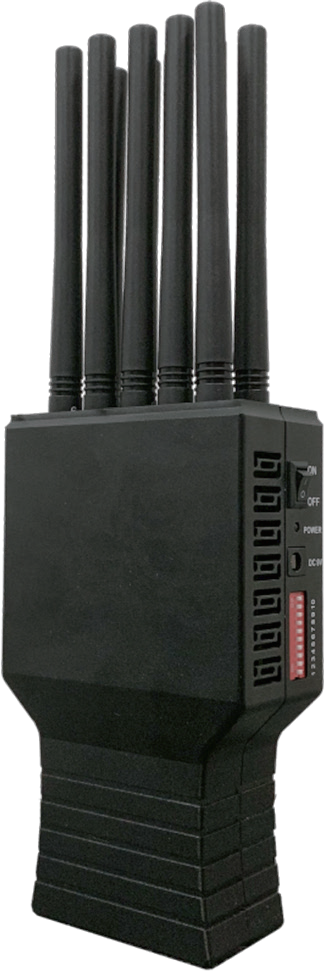
Comparison of anti drone technology solutions
Counter-Unmanned Aerial Vehicle (C-UAV) technologies are crucial for modern airspace security. They are broadly categorized into two distinct approaches: "Hard Kill" and "Soft Kill" methods. Each offers different mechanisms, advantages, and suitable applications.
Hard Kill Solutions focus on the physical neutralization of a drone threat. This involves the complete engagement chain, from detection and tracking to the final intercept. Methods include using projectiles, nets, or directed-energy weapons like lasers to destroy or disable the drone. These methods are definitive but may pose risks of collateral damage in certain environments.
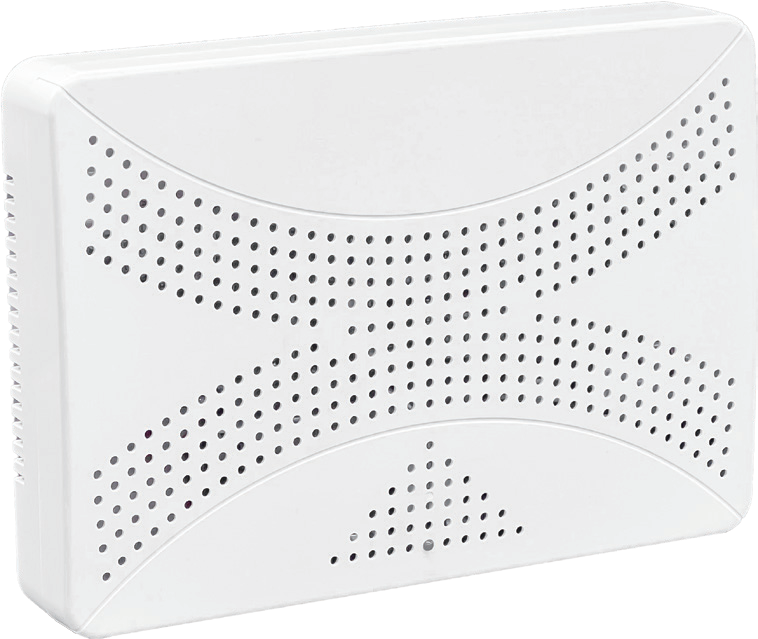
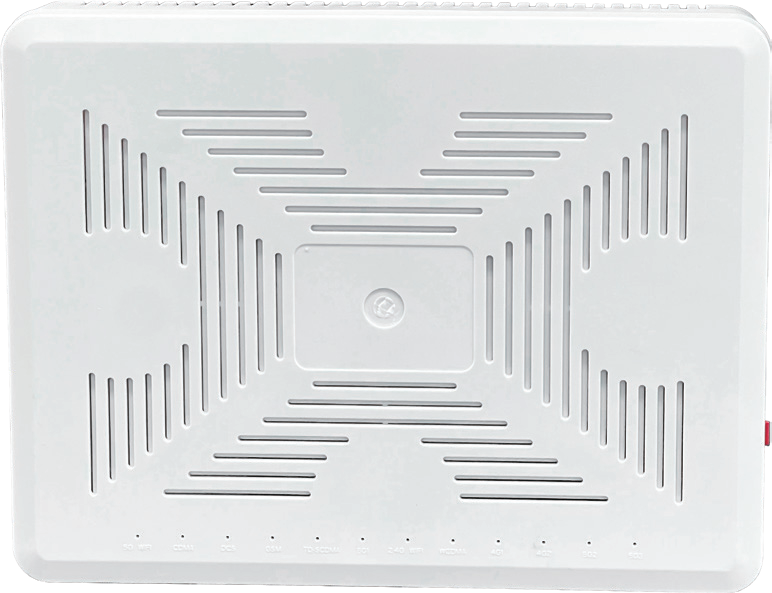
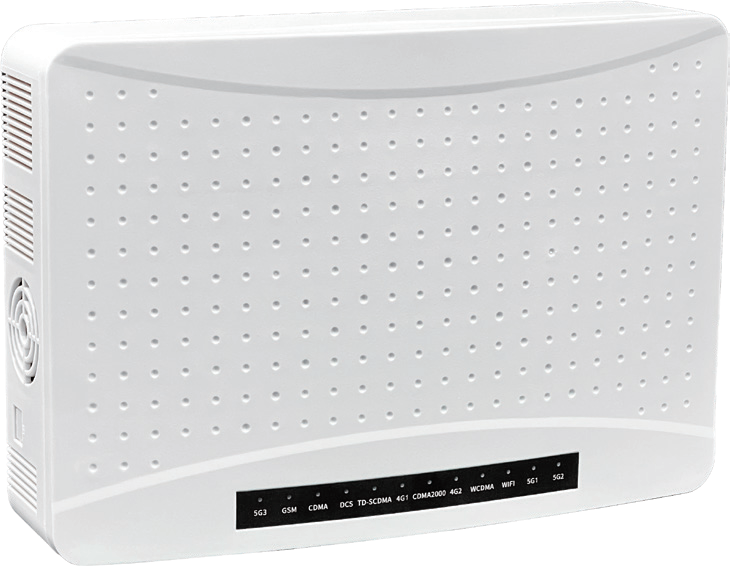
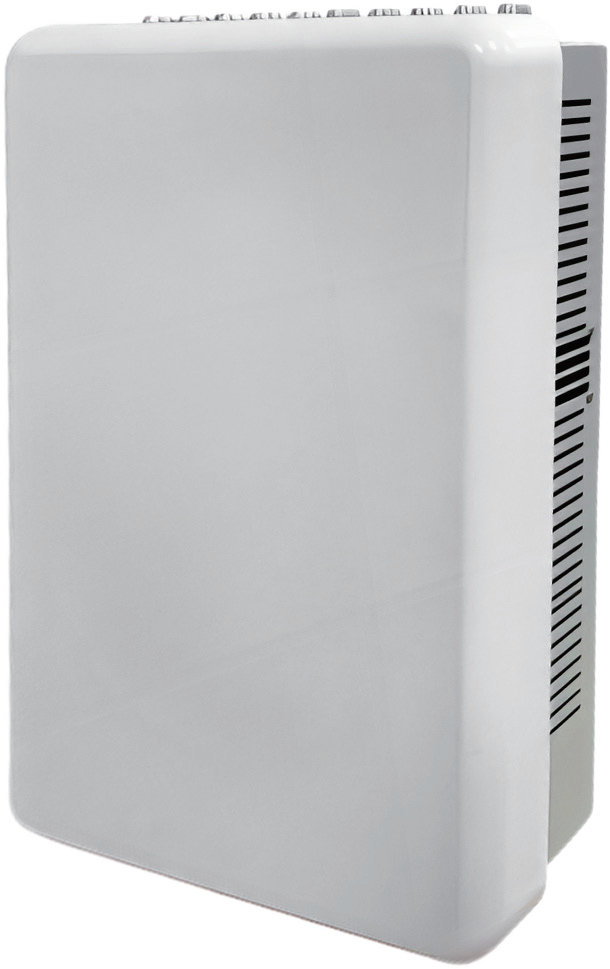
Soft Kill Solutions, by contrast, are non-kinetic and aim to disrupt or take control of a drone without destroying it physically. These methods are often preferred in sensitive or crowded areas due to their lower risk of collateral damage and higher operational flexibility. Key "Soft Kill" technologies include:
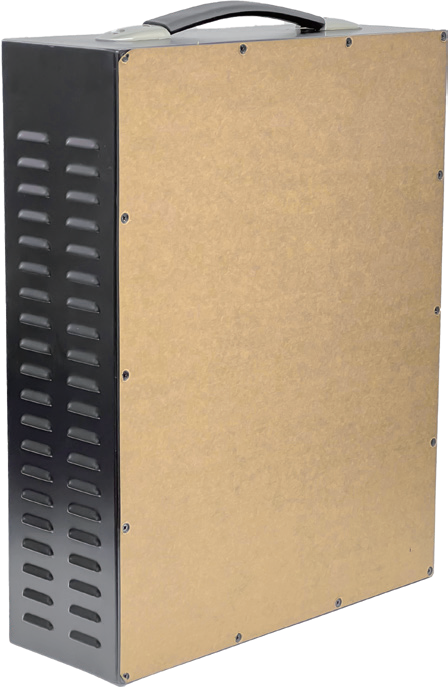
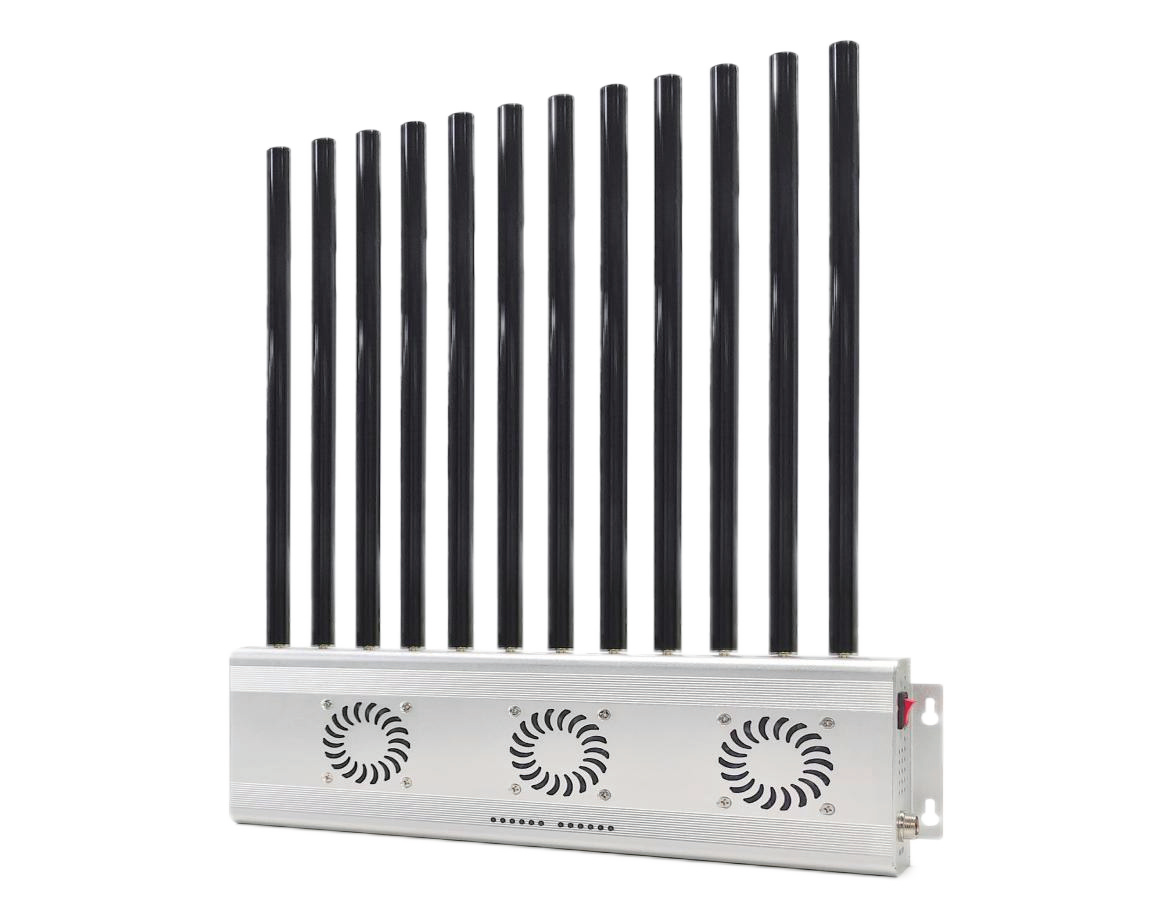
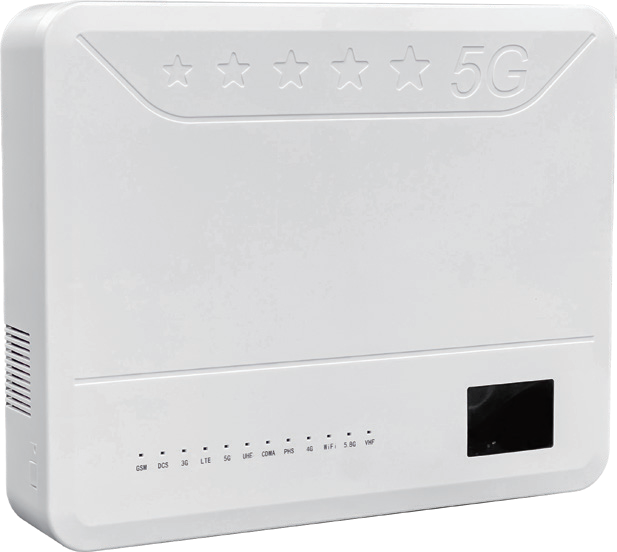
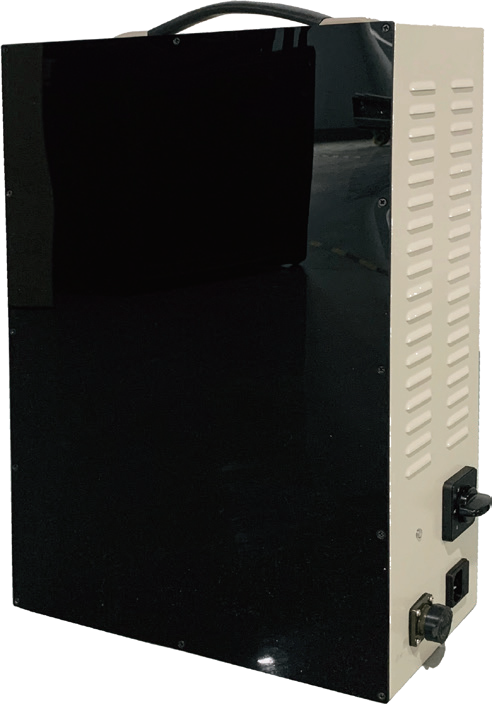
1. Radio Frequency (RF) Jamming: This technology transmits high-power signals on the communication frequencies used by drones, such as the common 2.4 GHz, 5.8 GHz, or ISM bands (e.g., 433 MHz, 915 MHz). By overpowering the signal between the drone and its operator, it forces the drone into a predefined safety mode—like landing, hovering, or returning to its point of origin. Jammers can be omnidirectional for wide-area coverage or directional for precise, targeted disruption.
2. GNSS (Global Navigation Satellite System) Jamming: Many drones rely on systems like GPS, GLONASS, Galileo, or BeiDou for navigation. GNSS jammers emit signals that disrupt or block these satellite signals. When combined with RF jamming, it severs both the command and navigation links, leaving the drone unable to function as intended and triggering its fail-safe protocols.
3. Spoofing/Hijacking: A more sophisticated technique involves protocol manipulation. Instead of merely jamming, spoofing systems mimic the legitimate controller's signal or send false GNSS coordinates to deceive the drone. This can allow an operator to seize control, land the drone safely, or redirect it to a designated location. However, this method's effectiveness depends on the specific drone model and can be countered by software updates from manufacturers.
The choice between "Hard Kill" and "Soft Kill" strategies depends heavily on the operational environment, the nature of the threat, and the acceptable level of risk. For protecting critical infrastructure, public events, or populated urban areas, "Soft Kill" solutions often provide a more secure and efficient layer of defense for low-altitude airspace.