Drone Jammer Module: Rapid-Deployment Field Manual
The rapid advancement of drone technology has transformed industries from construction to agriculture, yet its accessibility also poses significant security risks. Unauthorized drone activities, including illegal surveillance and espionage, have made airspace protection a critical priority for many organizations. Implementing an effective Counter-Unmanned Aircraft System (C-UAS) is a strategic response to these evolving threats. This comprehensive guide provides a structured, five-step framework to help you select the optimal system for your specific security needs and operational environment.
Step 1: Conduct a Thorough Risk Assessment
The selection process begins with a detailed risk assessment. You must identify the specific vulnerabilities and potential threats within your operational airspace. Understanding whether your primary need is detection, mitigation, or both will guide your entire procurement strategy. For instance, if identifying unauthorized drone presence is the goal, a sophisticated detection system is essential. Conversely, if neutralizing an active threat is required, a jamming or mitigation solution becomes the priority. This foundational step ensures your investment is targeted and effective.
Step 2: Evaluate Key Technical Features
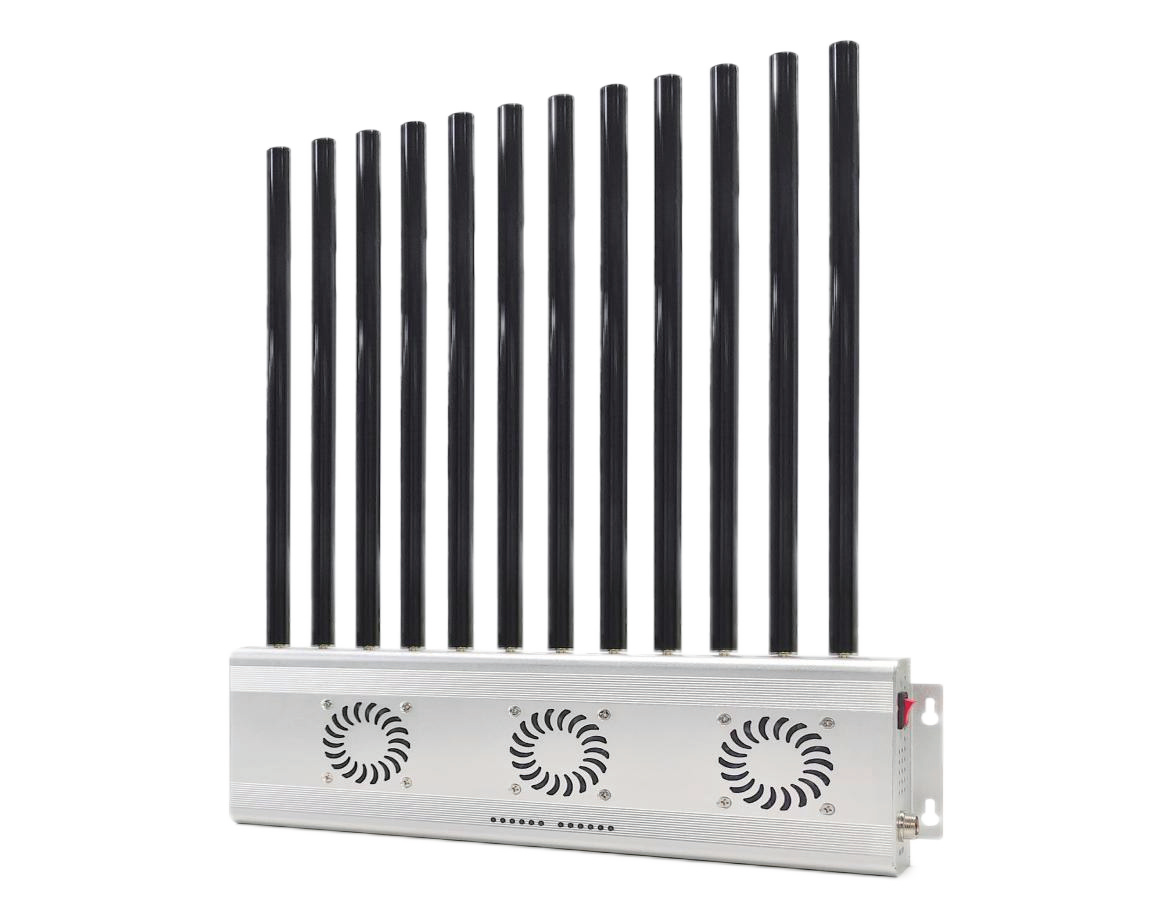
Scrutinizing the core capabilities of both detection and mitigation systems is crucial. For detection systems, prioritize features such as detection range, accuracy, sensor fusion (combining radar, RF, and electro-optical technologies), and a low false alarm rate. For mitigation systems like jammers, key considerations include effective jamming range, covered frequency bands (GNSS, 2.4GHz, 5.8GHz), output power, and the specific mitigation method employed, ensuring it complies with local regulations.
Step 3: Choose Between Portable and Stationary Systems
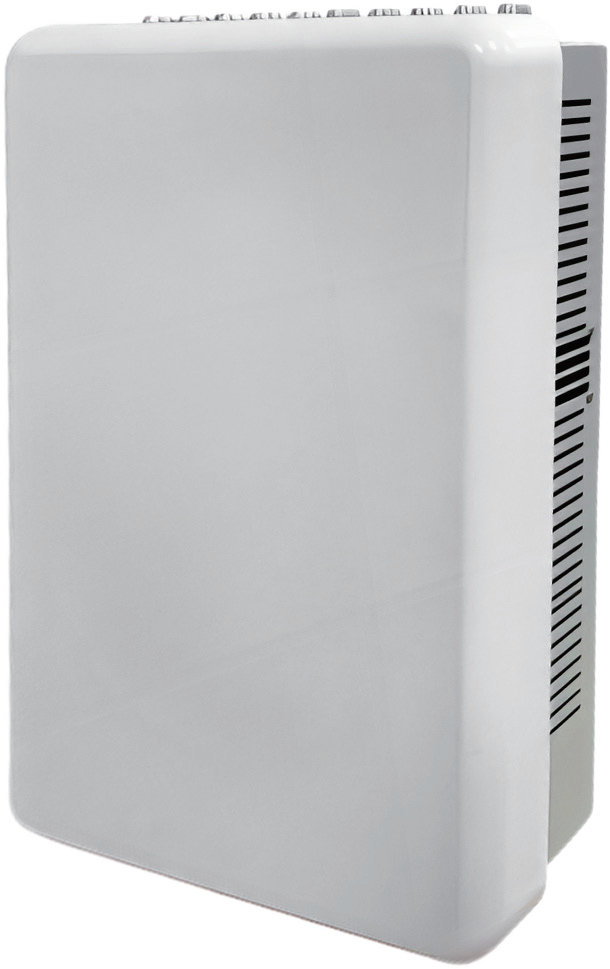
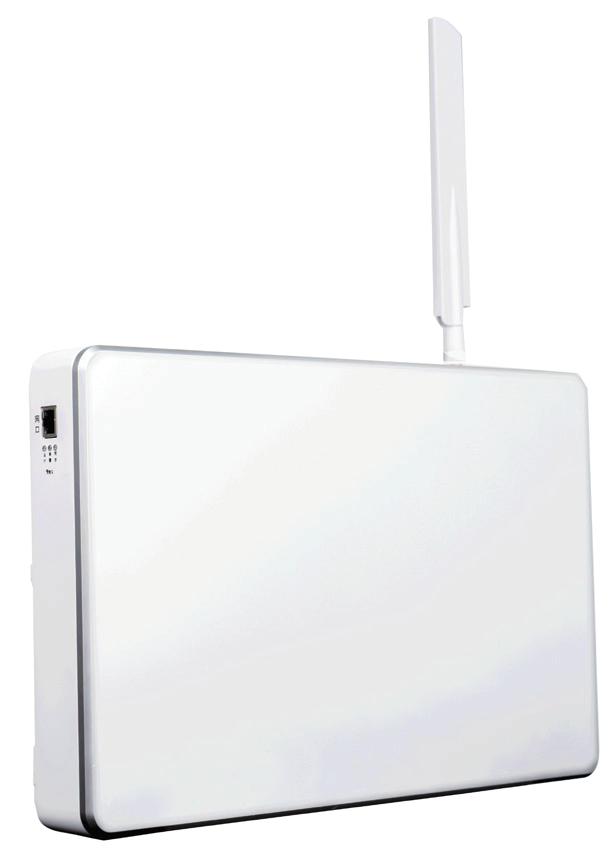
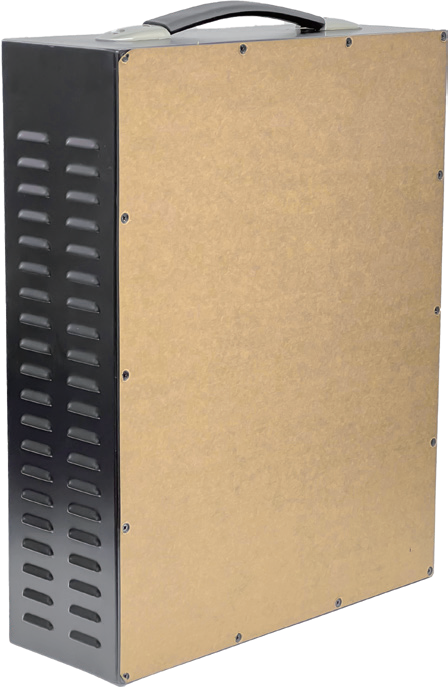
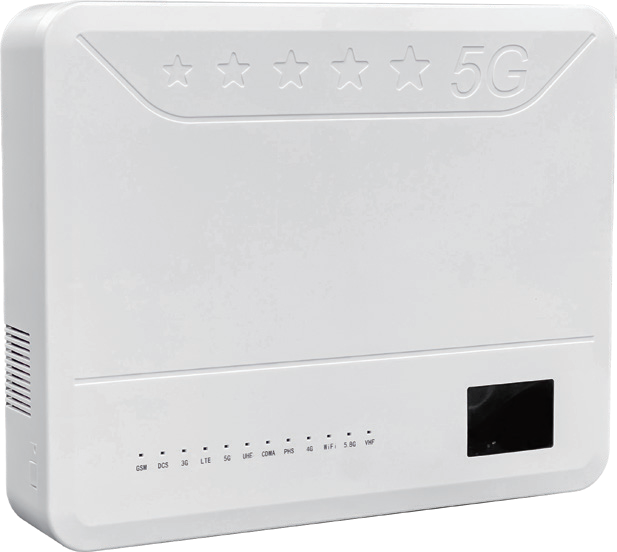
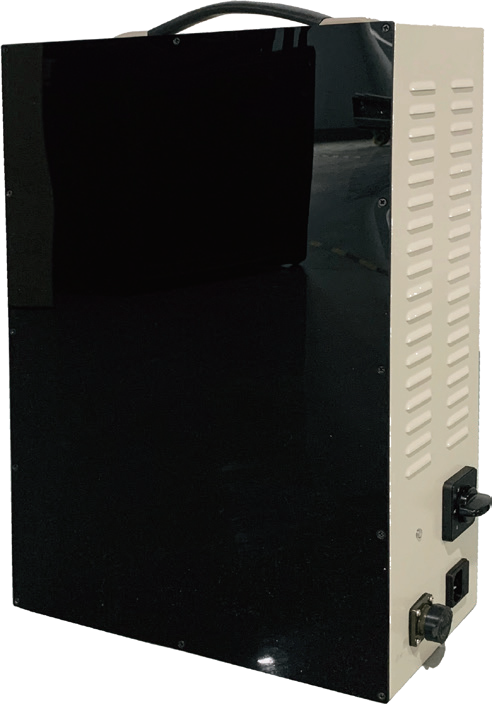
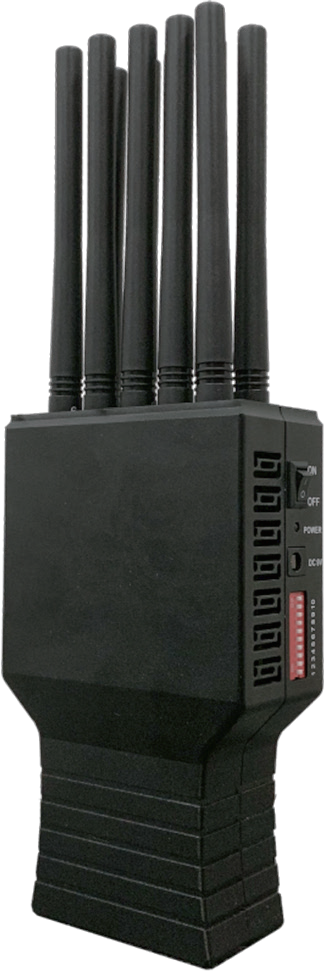
C-UAS solutions are typically available in two form factors: stationary/permanent installations and portable/mobile units. Your choice depends on your operational scenario. Stationary systems are ideal for continuous, wide-area protection of fixed sites like critical infrastructure. Portable systems offer flexibility for rapid deployment, mobile security teams, or temporary event protection, though they may cover a smaller area.
Step 4: Prioritize Ease of Use and Integration
A system's effectiveness depends on its usability. Opt for solutions with intuitive interfaces and straightforward operational procedures to minimize training time and enable rapid deployment. Consider how easily the system can integrate into your existing security infrastructure for a seamless workflow.
Step 5: Align the Solution with Your Budget
C-UAS systems vary widely in cost. Establish a clear budget that reflects the required level of protection. Consider not only the initial purchase price but also the total cost of ownership, including installation, maintenance, software updates, and operator training. The goal is to find the optimal balance of performance, reliability, and value for your investment.
In conclusion, as drone threats become more prevalent, a proactive and informed approach to selecting a C-UAS system is vital. By following these five steps—assessing risk, comparing features, selecting the right deployment model, ensuring usability, and planning your budget—you can implement a robust and effective airspace security solution tailored to your specific needs.