Drone Interference Guide | UAV Jamming & Anti-Jamming Technologies
The drone, or Unmanned Aerial Vehicle (UAV), represents a significant advancement in modern technology. As drone technology continues to mature, these aircraft are capable of flying farther and reaching greater altitudes. In military applications, drones are primarily utilized for reconnaissance, precision strikes, surveillance, and intelligence gathering. Among these roles, reconnaissance and intelligence collection are particularly critical, often exerting substantial influence on operational outcomes.
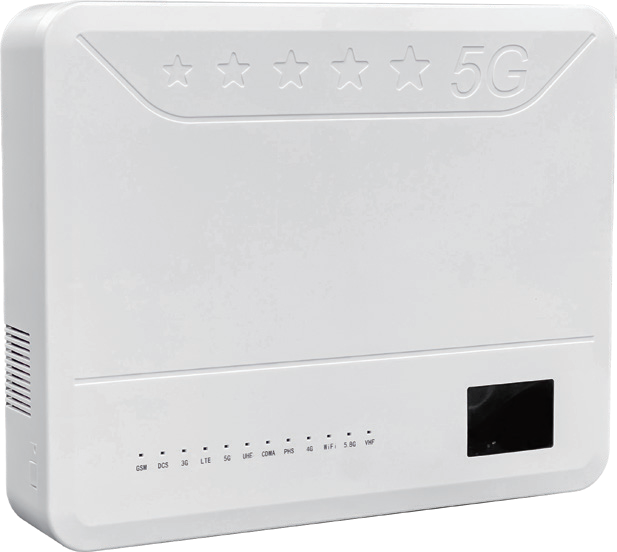
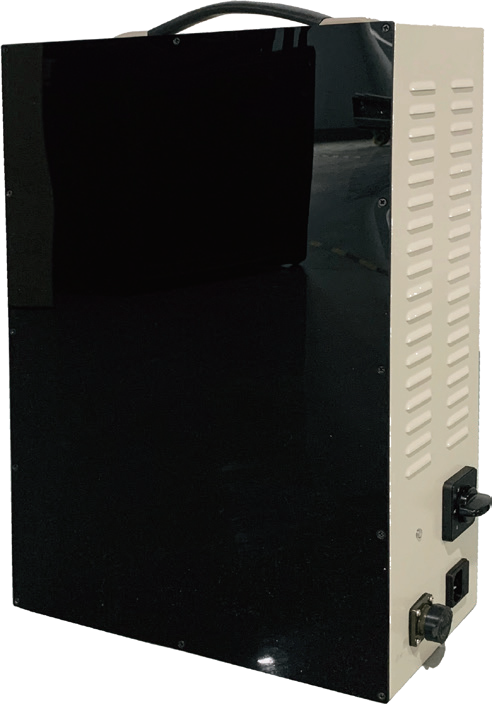
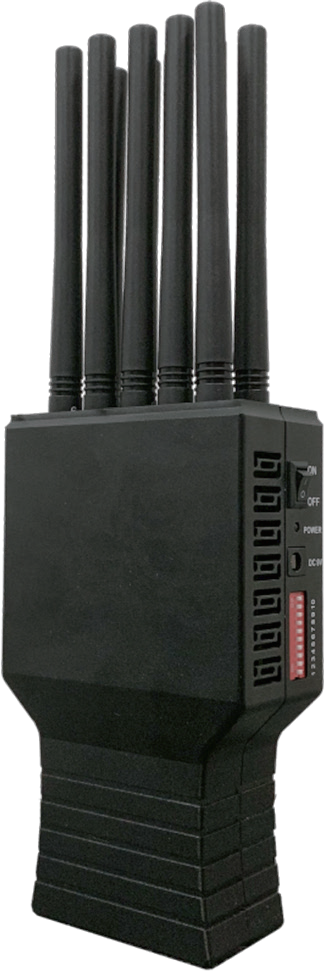
Interference affecting drones can generally be categorized into natural and human-induced factors. Natural interference most commonly involves magnetic field variations. Human-induced interference, on the other hand, is typically associated with countermeasures developed within the anti-unauthorized drone market. These countermeasures commonly disrupt drone operations through signal interference, sonic interference, and radio hijacking.
Common drone interference techniques include the following:
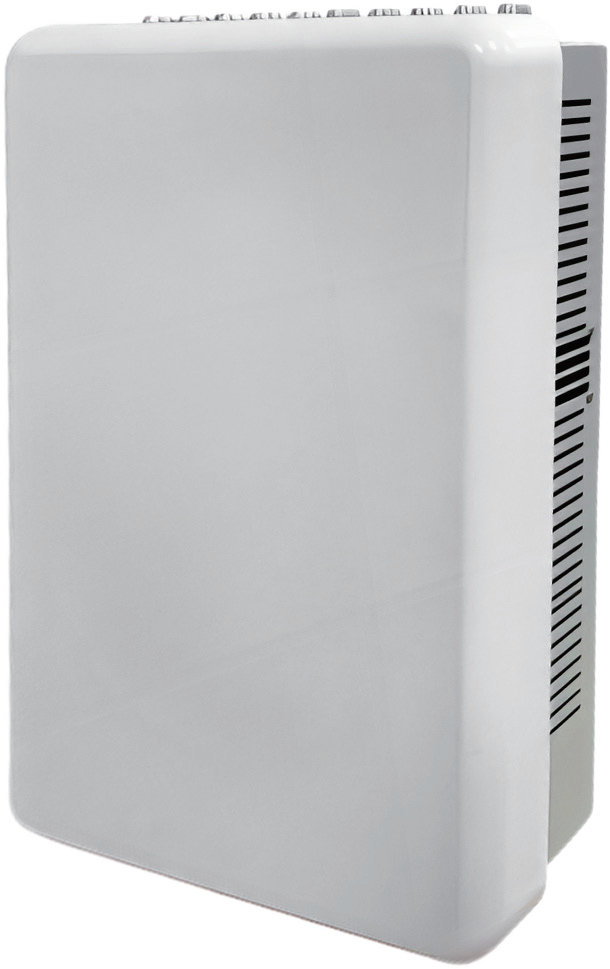
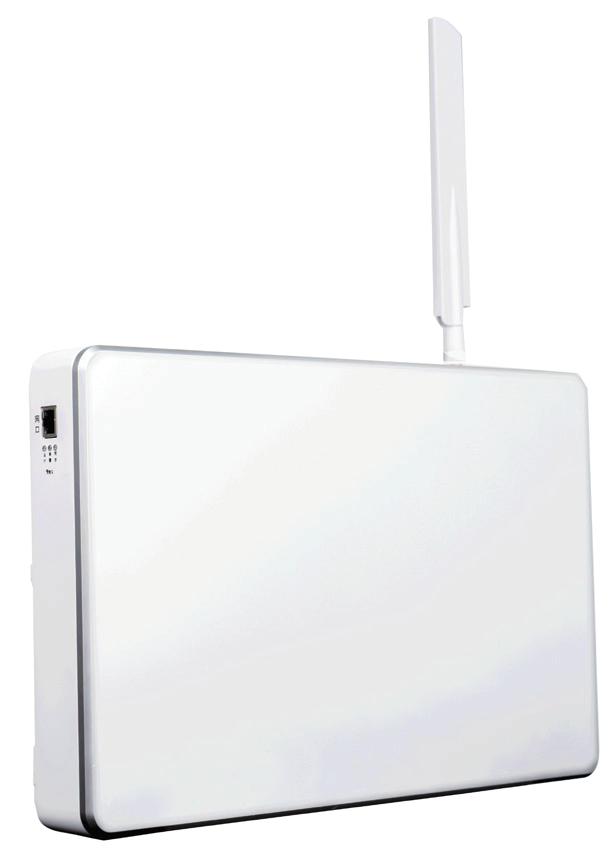
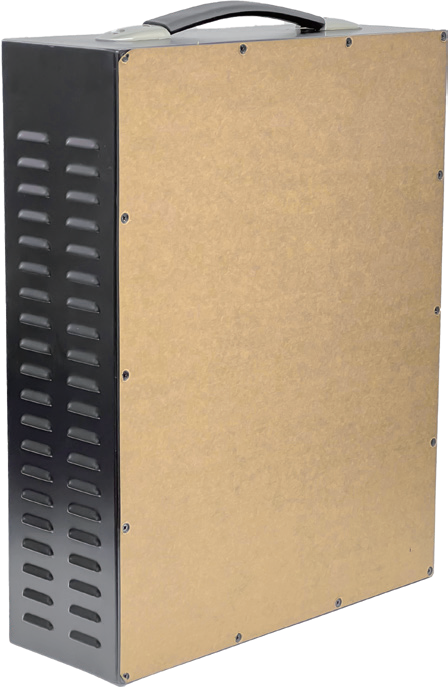
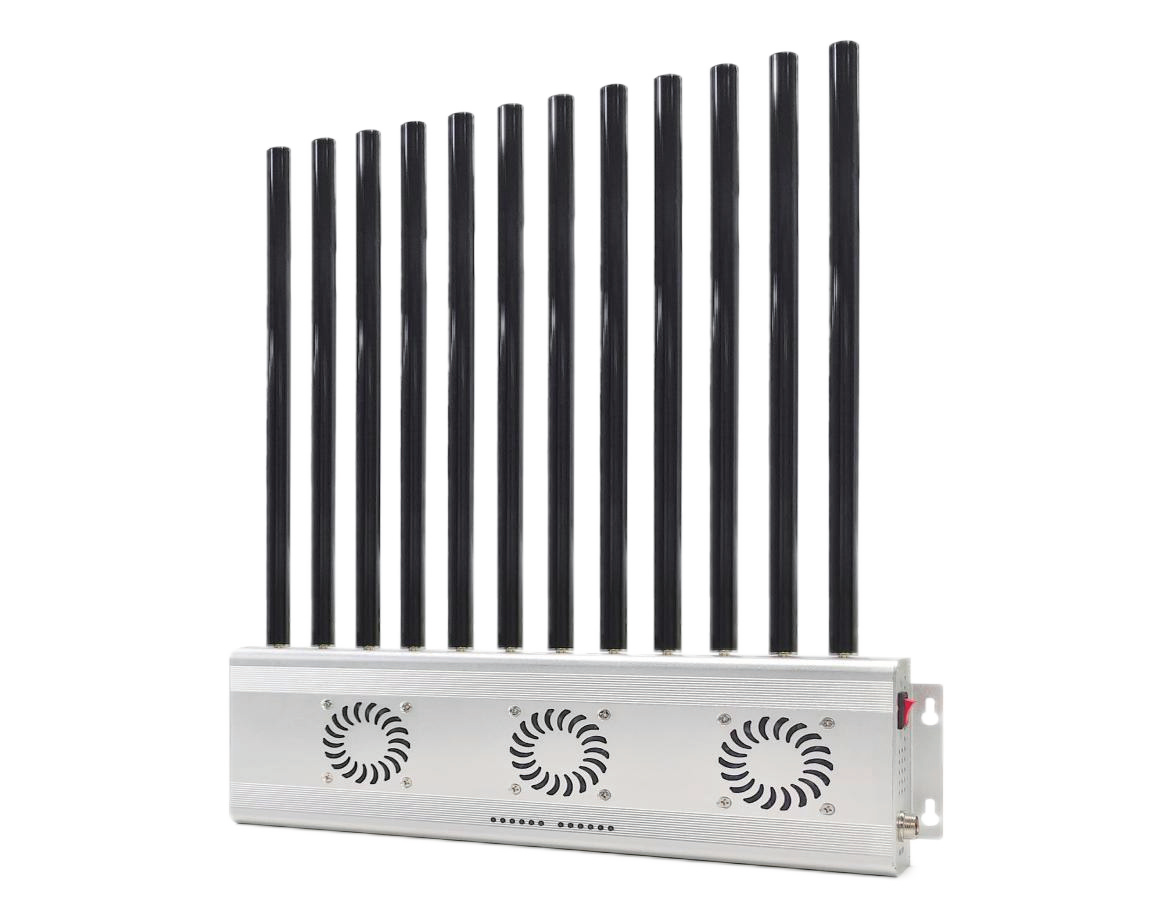
Signal Interference: This method involves transmitting directional radio frequency signals at a specific power level toward a drone. By disrupting the GPS positioning system, the drone is unable to obtain accurate coordinate data. Depending on its pre-programmed fail-safe protocols, the drone may hover in place, drift with wind currents, or autonomously return to its take-off point.
Sonic Interference: This technique targets the gyroscope onboard the drone. When an external sound wave matches the gyroscope's resonant frequency, resonance occurs, interfering with normal gyroscope operation. This can lead to flight instability and, in severe cases, cause the drone to crash.
Radio Hijacking: This approach involves disrupting the radio frequency link between the drone and its controller to seize control of the aircraft. Once hijacked, the drone can be commanded to hover, descend, or initiate a return-to-home sequence.
Industry experts note that, at present, human-induced interference—particularly through dedicated countermeasure equipment—remains difficult to prevent through technical means alone. Although complete prevention poses challenges, modern drones have demonstrated relatively robust anti-interference capabilities. Some companies specializing in GPS receiver technology and interference mitigation have developed modules designed to protect drone GPS signals from jamming and spoofing attacks. These solutions have already undergone successful airborne testing on drone platforms.