Passive RF Detection for Drones: A Silent Counter-UAV Technology
Passive RF Detection: The Silent Sentinel in Counter-Drone Defense
As drone technology advances rapidly, countermeasure tactics are evolving in parallel. Beyond radar detection, Passive Radio Frequency (RF) Detection has emerged as a highly efficient and covert method for identifying unmanned aerial vehicles (UAVs). This technology operates by intercepting and analyzing the radio waves used for communication between a drone and its controller. Its core function relies on matching the captured RF signal signatures against an extensive database of known drone communication protocols to enable accurate identification and threat alerting.
Unlike radars that actively emit signals, passive RF systems operate in complete “silence,” generating no emissions of their own. This fundamental characteristic yields two critical strategic advantages: first, superior stealth, making detection by hostile parties exceedingly difficult; and second, zero electromagnetic interference, ensuring no disruption to legitimate wireless communications in the surrounding area. Furthermore, advanced RF direction-finding capabilities allow these systems not only to detect a drone’s presence but also to pinpoint the direction of both the UAV and its operator, providing crucial intelligence for subsequent countermeasures.
When evaluating a passive RF-based counter-drone system, several key technical parameters demand close attention: a continuously updated and comprehensive RF signature database is foundational for achieving high detection rates and minimizing false alarms; intelligent false-alarm filtering and machine learning capabilities ensure the system grows more accurate over time; optimized coverage in both azimuth and elevation angles defines the effective monitoring zone; and precise RF direction-finding is essential for effective tracking and source identification.
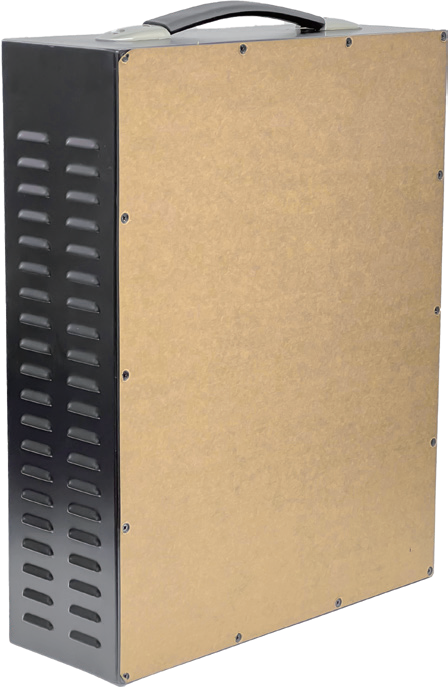
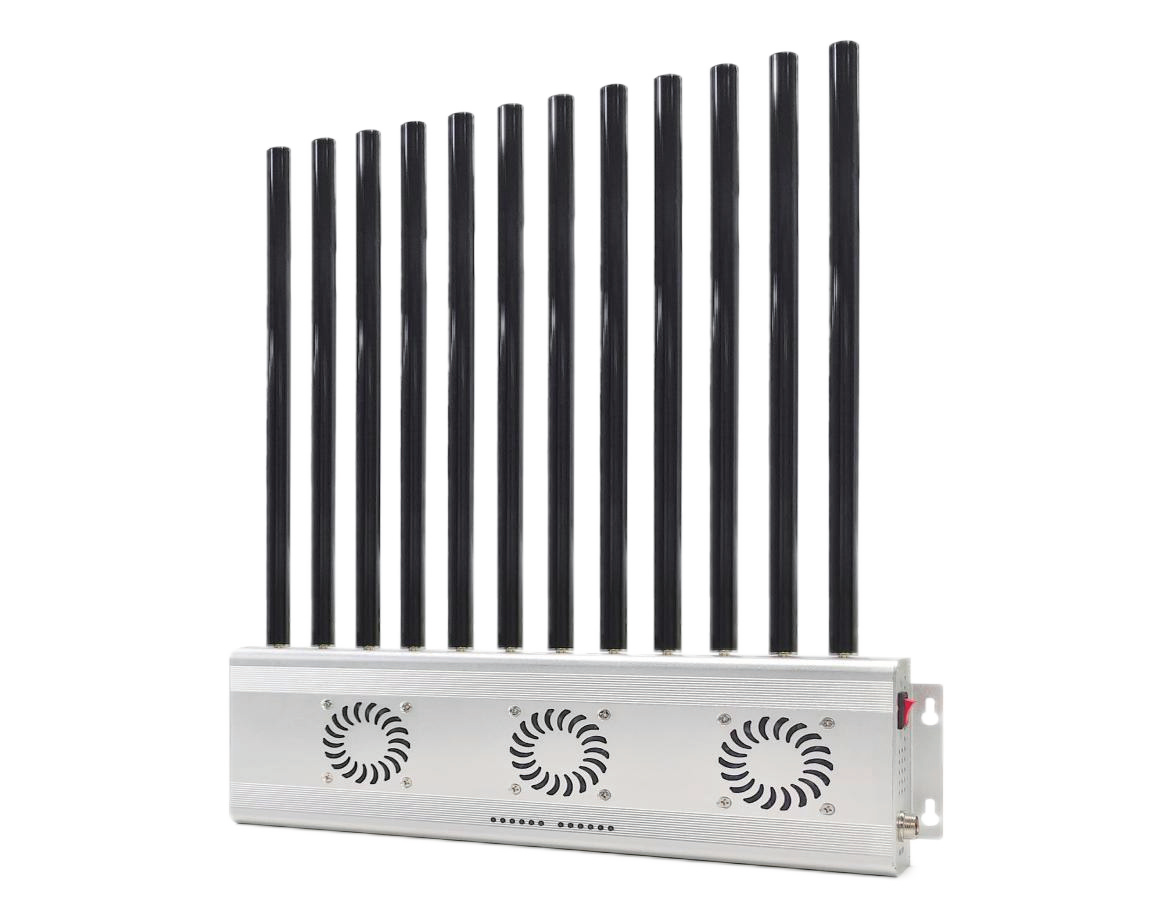
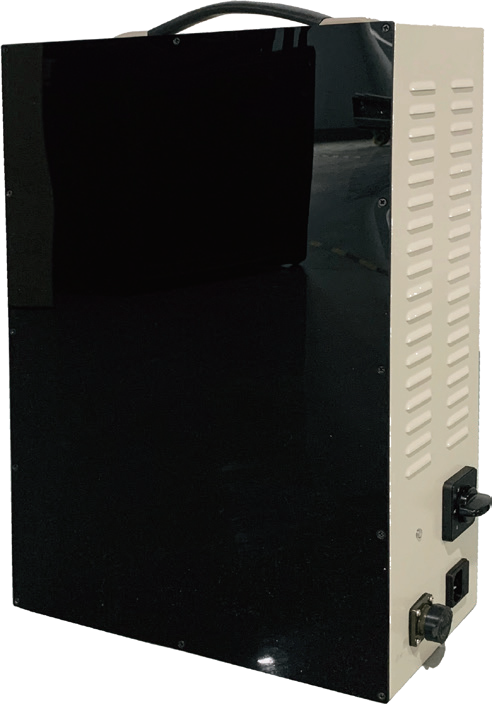
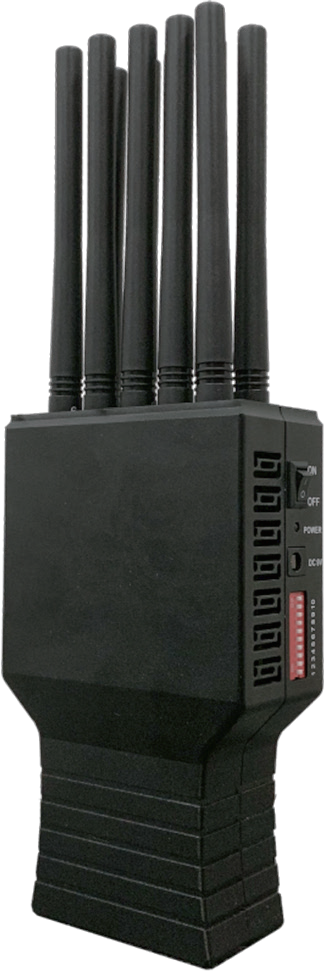
Owing to its passive and flexible nature, this technology has been adapted into various deployment formats—including handheld, portable, vehicle-mounted, and fixed-site configurations. This versatility meets diverse operational needs, ranging from mobile patrols by individual personnel to the permanent protection of critical static sites. Facing future threats from drones utilizing encrypted communications or controlled via LTE networks, the ongoing evolution of passive RF technology remains vital for building robust, multi-layered, and integrated air defense architectures.