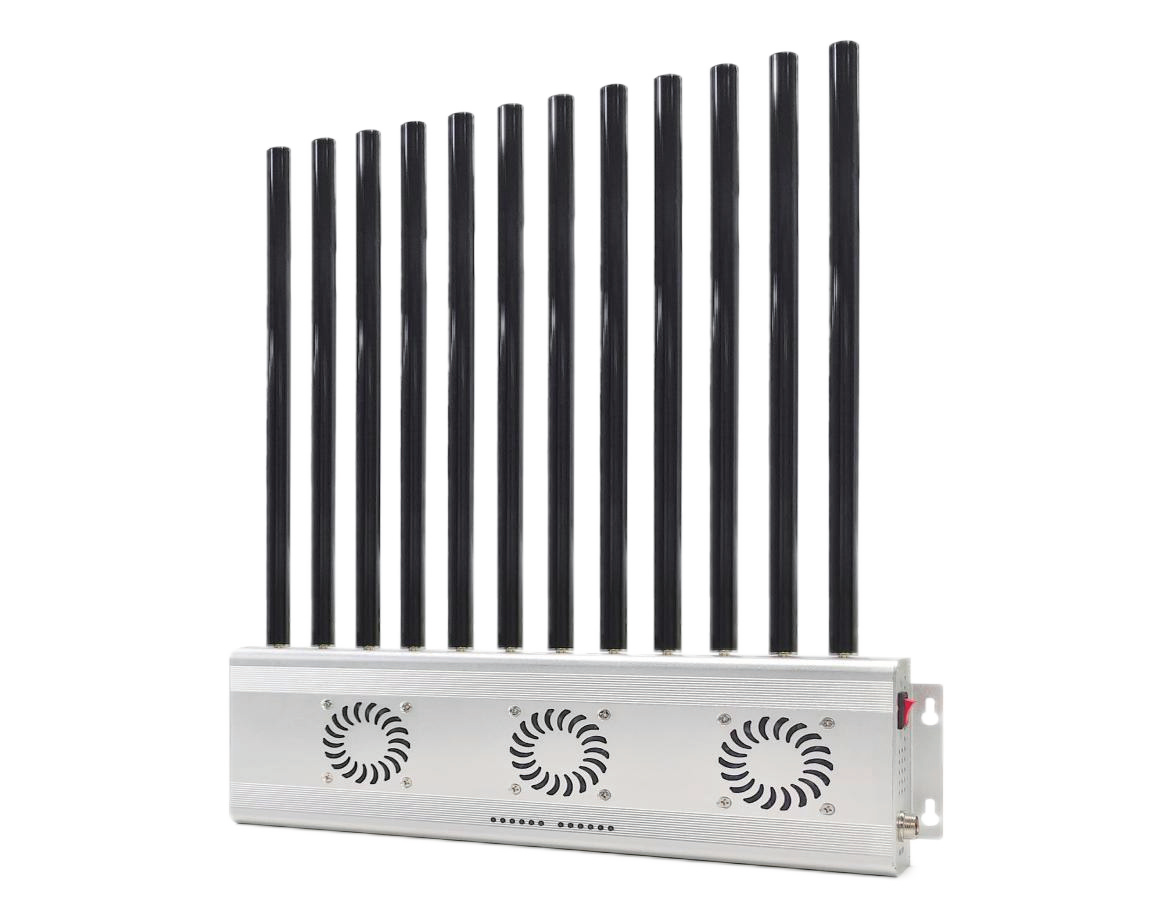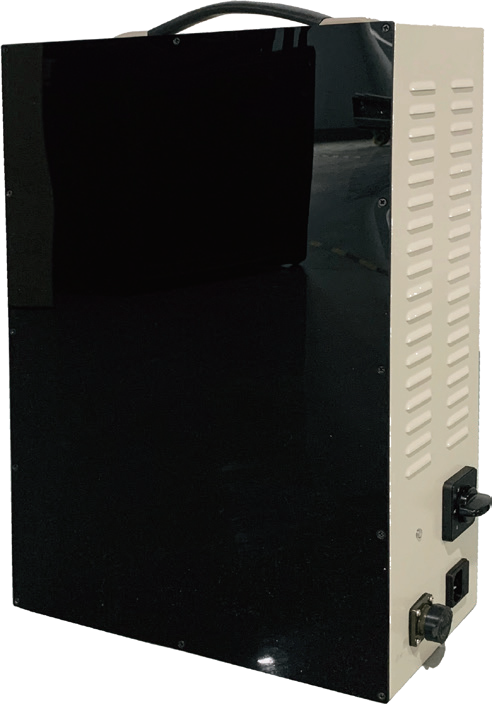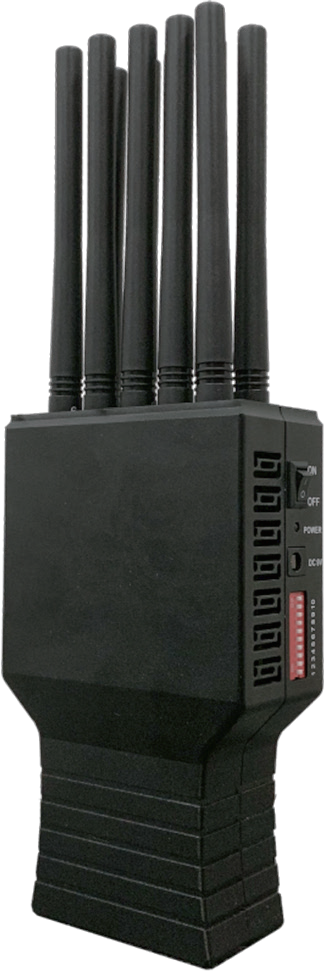
Countering an Emerging Threat: Integrated Anti-Drone Solutions for Refinery Protection
Industry Background and Threat Overview
Did you know that the global oil and gas market is projected to reach approximately $9.35 trillion by 2028? There is no doubt that the oil refining and petrochemical industry contributes significantly to the global economy. However, the widespread adoption and unauthorized use of drone technology are posing increasingly severe security challenges to these critical facilities. Consequently, effectively preventing malicious drone intrusions has become an urgent priority for operators. In this context, professional drone defense systems have demonstrated their crucial value.
If you are considering deploying relevant defense solutions, this article will guide you through their key advantages. Let's explore them together.
The Necessity of Defense
When drones are used for improper purposes, they pose a threat to critical infrastructure such as refineries. These devices can be employed for reconnaissance, surveillance, dropping explosives, or even causing mid-air collisions due to improper operation, disrupting normal production. Such incidents can not only lead to production halts and project delays but may also trigger supply fluctuations in local and global markets, ultimately resulting in substantial economic losses.
Therefore, to ensure the continuous and stable operation of refineries, deploying an effective drone management and control system is now imperative. Such systems are typically capable of detecting, identifying, and effectively handling drones within controlled airspace.
Key Application Advantages
Are you weighing the necessity of investing in such a system? Here are several core benefits:
1. Enhancing Comprehensive Security
Refineries usually already have basic security measures in place, such as perimeter protection and patrols. However, malicious drones, due to their small size and high mobility, can easily bypass traditional physical defenses. Professional counter-drone systems enable long-range detection and precise response, thereby establishing a multi-layered and complete security barrier to ensure facility safety.
2. Preventing Property and Operational Losses
Drones flying near refinery facilities carry the risk of colliding with sensitive equipment and causing accidents. Furthermore, they can be used to drop hazardous materials, directly threatening facility safety and human lives. Deploying a defense system can effectively prevent such damage, protecting both asset integrity and operational continuity.
3. Mitigating Information Leakage Risks
Refining and petrochemical facilities often involve proprietary technologies and core process flows. Malicious actors may use drones for industrial espionage to steal sensitive data. An effective defense system can promptly identify suspicious drones, sever their communication links, and prevent data breaches.
Conclusion
Integrating professional drone defense solutions into a refinery's existing security framework has become a critical reinforcement measure. If you are seeking reliable solutions, the market offers a variety of equipment, from fixed monitoring stations to portable countermeasures, which can be flexibly configured and integrated according to specific needs.