Drone Jammer Modules: A Critical Component in Stadium Security Systems
Imagine being completely engrossed in an intense sports match, cheering passionately for your favorite team. Suddenly, an unidentified drone zooms alarmingly close over your head—doesn't that sound unsettling? In reality, such an incident could easily trigger chaos within the venue and even force the event to be suspended.
Large sports stadiums, due to their high concentration of people and significant public attention, are prime targets for malicious drone disruptions. There have been prior incidents where professional teams discovered suspicious drones hovering during training sessions, raising concerns about the potential theft of training strategies and invasion of privacy. Such events not only disturb order but also pose a direct threat to public safety.
So, how can we effectively guard against these risks and genuinely enhance airspace security for major venues? Investing in professional anti-drone systems has become a critical and necessary choice. This article will explore the specific threats drones may pose to sports stadiums and analyze how counter-drone technology serves as a key barrier in safeguarding the skies.
Main Threats Posed by Drones to Stadiums
Illegal drones can endanger venue security and privacy in multiple ways, which is why deploying drone defense systems for large stadiums is becoming increasingly urgent.
1. Privacy Theft and Illegal Surveillance
During major events, packed stands and on-field activities can become targets for individuals with malicious intent. Drones can fly over spectator areas and activity zones to conduct unauthorized filming and real-time transmission, seriously violating the privacy of athletes, spectators, and event organizers, and damaging the credibility of managing authorities.
2. Dropping Hazardous Items
The dense crowds at stadiums make them vulnerable to risks such as drones dropping explosives or other dangerous objects. Such actions could not only cause property damage and financial losses but also trigger public panic and stampedes, leading to severe personal injuries.
3. Event Disruption and Accidents
Drones intruding into the airspace of games or performances can directly interfere with the event—for example, by disrupting broadcast signals, colliding with venue structures, or causing chaos due to their sudden appearance, posing multiple safety hazards.
Anti-Drone Systems: The Ultimate Solution to Address Threats
Equipping major venues with professional anti-drone systems can establish an integrated active defense network of "detection and response."
Early Warning and Accurate Detection
Detection devices within the system continuously scan the protected airspace around the venue. Upon detecting unauthorized drone intrusion, they immediately alert security personnel, buying valuable time for timely response and intervention.
Rapid Response and Effective Neutralization
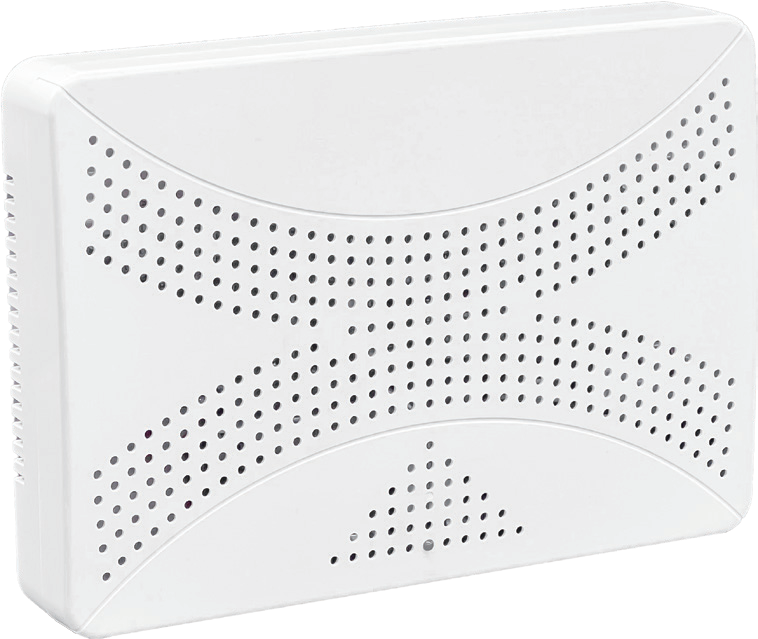
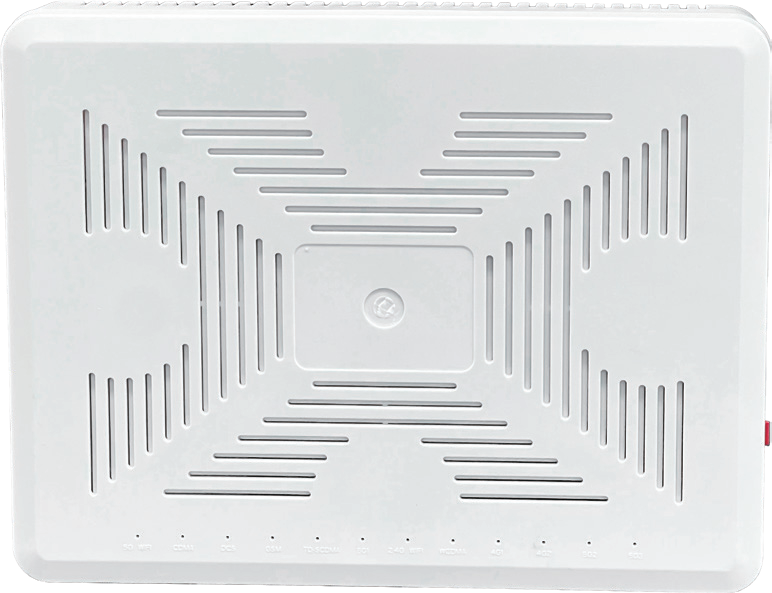
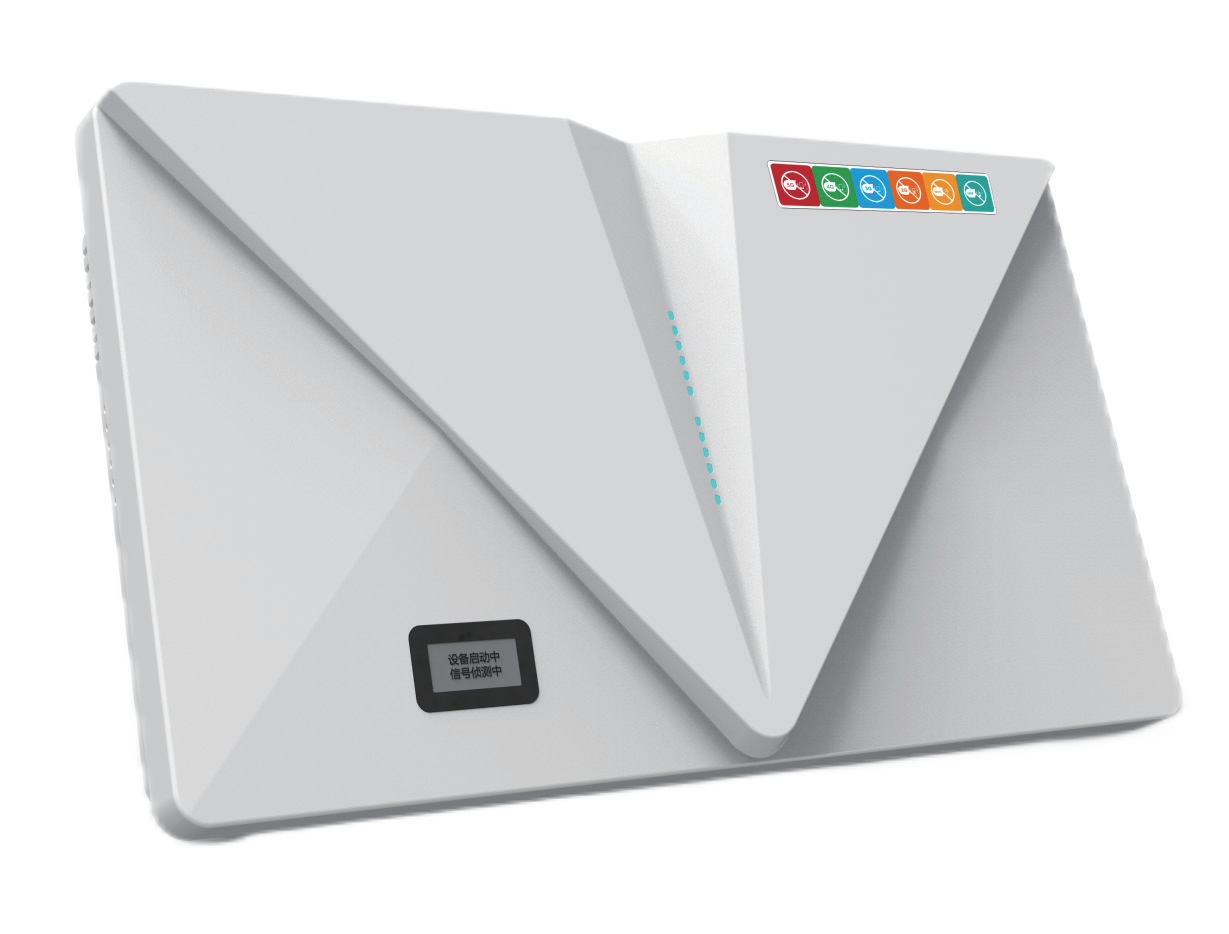
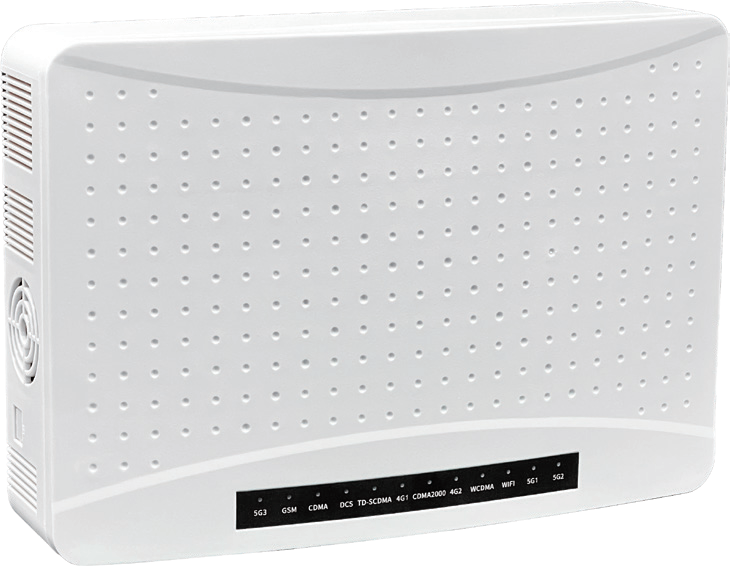
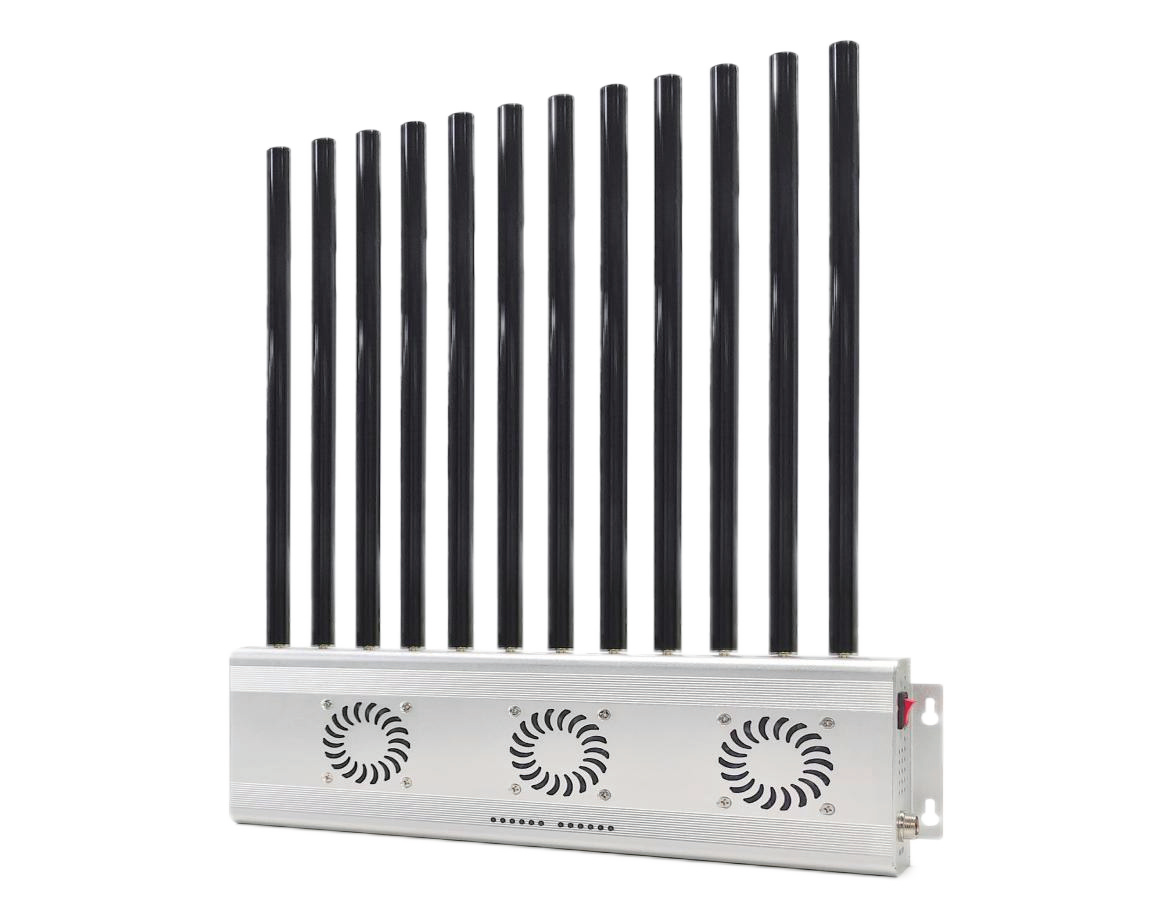
Once a threat is confirmed, the system can use technical means such as signal jamming to sever the communication link between the drone and its operator, preventing it from continuing its mission and forcing it to return, hover, or land on the spot—effectively neutralizing the risk.
Enhancing Overall Airspace Security
Deploying anti-drone systems significantly reduces the likelihood of drone interference incidents and comprehensively improves the venue's low-altitude security capabilities. This not only provides greater peace of mind for management but also demonstrates to the public their commitment and professionalism in maintaining a safe environment.
Conclusion
As large-scale cultural and sports events become increasingly frequent, proactively preventing drone interference has become an indispensable part of venue security management. If you would like to learn more about building a reliable low-altitude defense system for your venue, please feel free to contact our professional team for a customized solution.